What counts as black water
Sewage backups, toilet overflow, flooding with standing outdoor water, and any water that has contacted waste or hazardous contaminants all count as black water. It’s treated differently from clean or gray water from the moment a crew arrives.
Category 3 water classification explainer
The industry uses a three-tier classification: Category 1 is clean water from a sanitary source, Category 2 is gray water with some contamination, and Category 3 is black water — grossly contaminated water carrying bacteria, viruses, and parasites. Sewage backups and flooding that contacts waste are always treated as Category 3, which is why porous materials it contacts — carpet, drywall, insulation — usually can’t be saved.
Warning signs you need black water extraction
A musty odor that won’t clear, water stains or discoloration on walls or ceilings, warping materials, and any visible sewage backup are all signs that professional extraction — not a standard cleanup — is needed.
Our black water extraction process, step by step
Assessment and containment planning come first, followed by equipment setup and extraction, then drying and dehumidification, cleaning and disinfecting with EPA-registered products, and finally coordination on any restoration or repair work needed.
Why DIY is dangerous
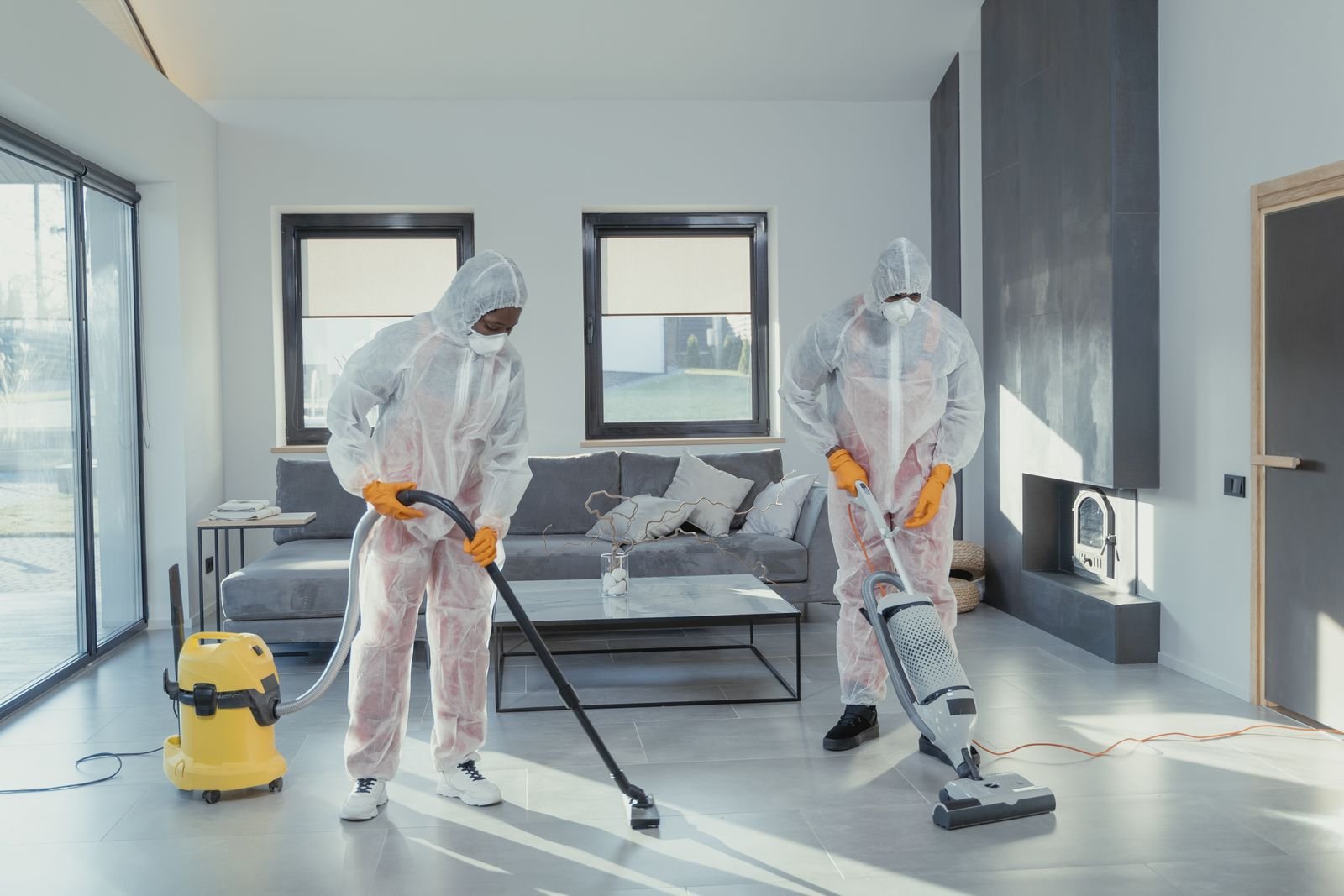
Black water pathogen exposure is a real risk — bacteria, viruses, and parasites survive typical household cleaning. Household wet-vacs simply aren’t rated for this contamination level, and improper handling risks cross-contaminating unaffected parts of the home.
Insurance claim assistance
Coverage varies by cause and policy. We document thoroughly — photos, moisture readings, affected-material inventory — to support your claim. We don’t provide legal or insurance advice.